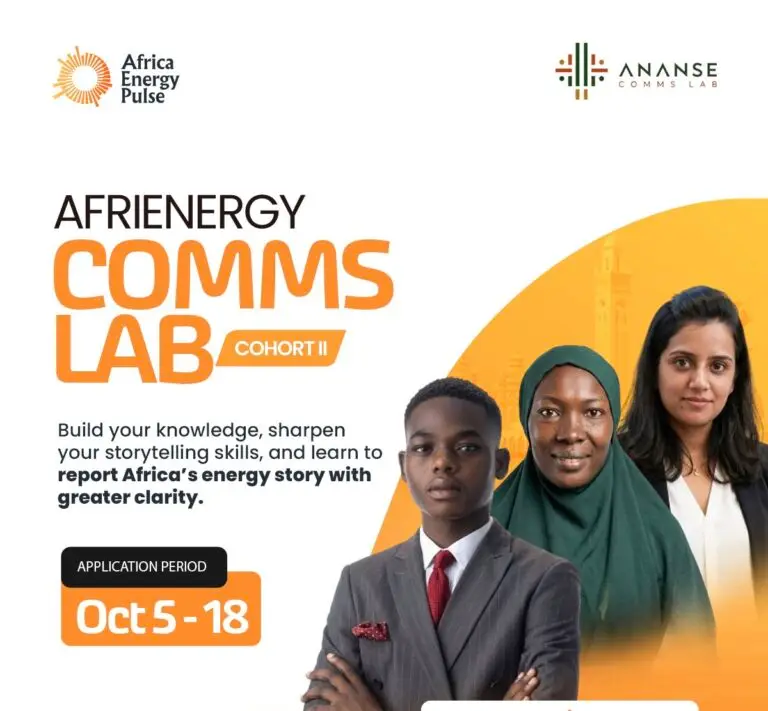
AFRIENERGY COMMS LAB FELLOWSHIP 2026: FOUR-WEEK ONLINE TRAINING FOR AFRICAN JOURNALISTS AND COMMUNICATIONS PROFESSIONALS.
ABOUT THE FELLOWSHIP
Applications are open for Cohort II of the AfriEnergy Comms Lab Fellowship 2026, a four-week online professional development programme for early-career journalists, communications professionals, recent graduates and National Youth Service Corps (NYSC) members across Africa.
The fellowship is designed to strengthen participants’ ability to understand, report and communicate issues shaping Africa’s energy sector. Through expert-led learning sessions, practical exercises, mentorship and peer engagement, participants will develop skills for communicating complex energy and climate issues with greater accuracy, context and clarity.
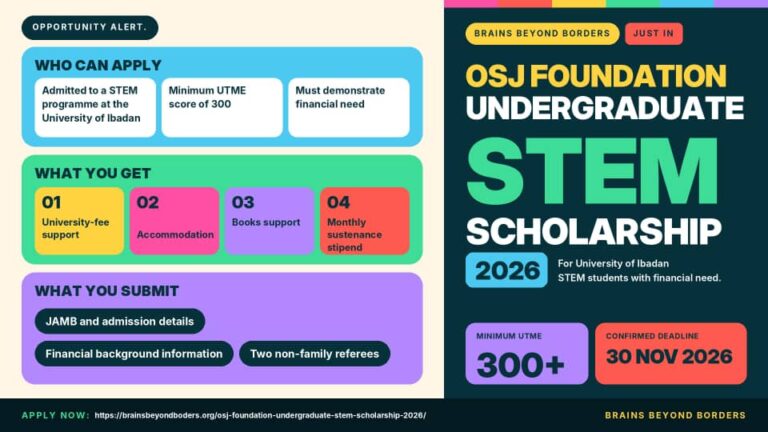 ScholarshipsOsj Foundation Undergraduate STEM Scholarship 2026: Full Scholarship, Accommodation and Monthly Stipend at the University of Ibadan.Nov 24, 2026
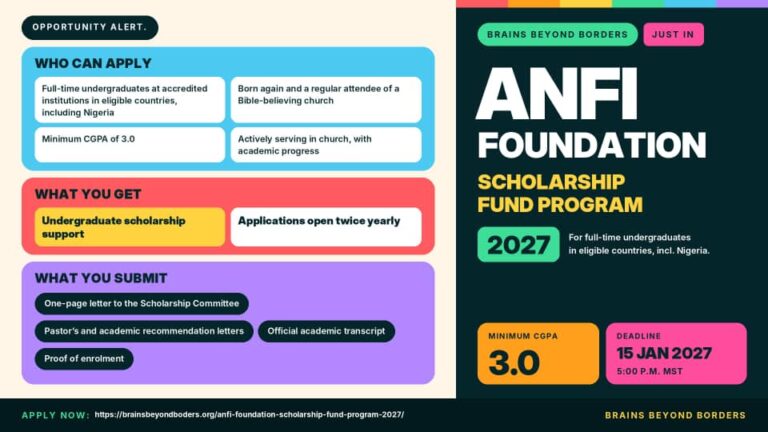 ScholarshipsAnfi Foundation Scholarship Fund Program 2027.Nov 24, 2026
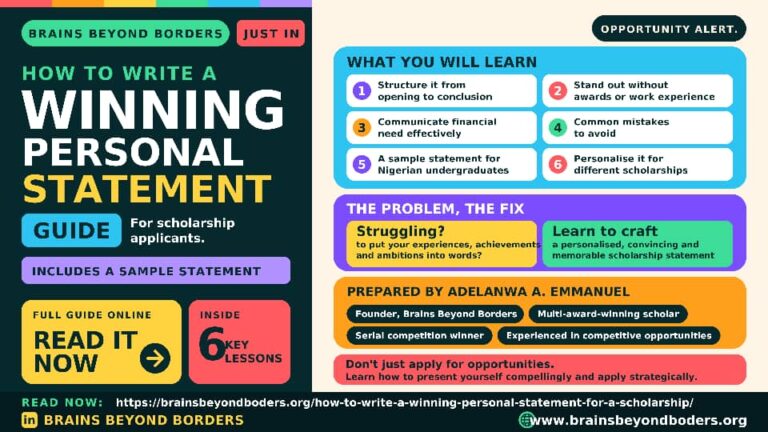 ResourcesHow to Write a Winning Personal Statement for a Scholarship: A Practical Guide with Examples for Students.Nov 23, 2026
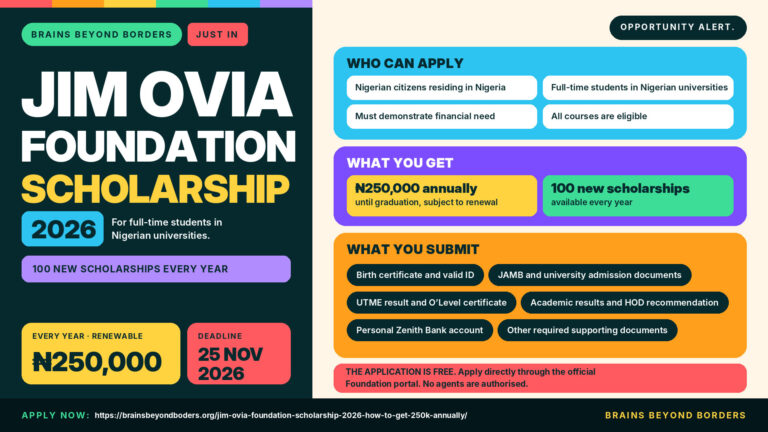 ScholarshipsJim Ovia Foundation Scholarship 2026: How to Get ₦250,000 Annually and Apply Before the Deadline.Nov 23, 2026
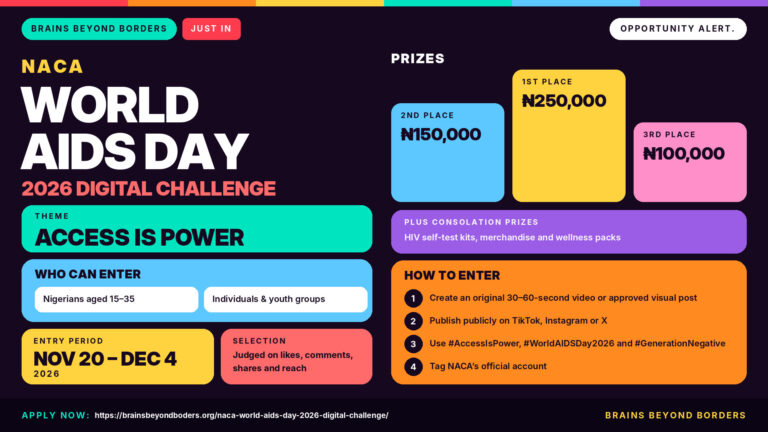 CompetitionsNaca World Aids Day 2026 Digital Challenge: Win ₦250,000 in the Access Is Power Competition.Nov 22, 2026
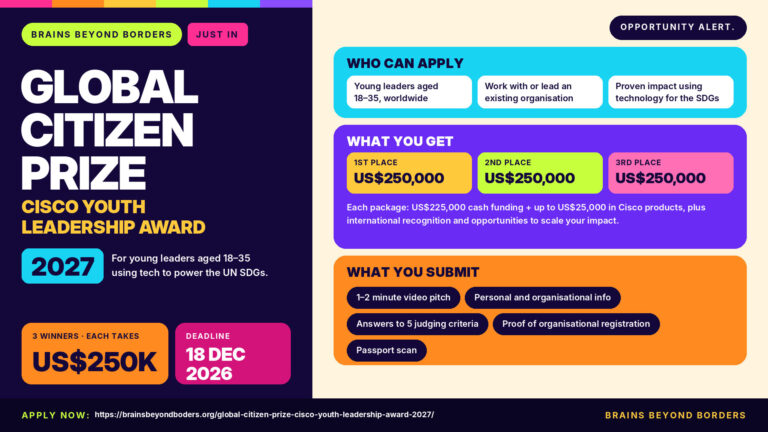 GrantsGlobal Citizen Prize Cisco Youth Leadership Award 2027: Win US$250,000 to Scale Your Impact.Nov 21, 2026
The programme is part of Ananse Comms Lab, the knowledge initiative associated with Africa Energy Pulse, a media platform covering Africa’s energy industry. It responds to the need for more informed communication about energy access, energy policy, climate issues, investment, governance and the continent’s energy transition. Energy reporting often requires more than describing a new project or announcing a policy. Journalists and communications professionals must be able to explain how energy decisions affect households, businesses, public institutions, the environment and economic development.
The fellowship seeks to help participants build the knowledge and practical communication skills needed to engage with these subjects more effectively.
• Programme: AfriEnergy Comms Lab Fellowship.
• Cohort: II.
• Year: 2026.
• Duration: Four Weeks.
• Mode: Online.
• Geographical Scope: AfricaTarget Participants: Early-career journalists, communications professionals, recent graduates and NYSC corps Members.
• Application Deadline: 18 October 2026.
• Funding Status: Unpaid Fellowship.
WHAT IS THE FELLOWSHIP DESIGNED TO ACHIEVE?
The AfriEnergy Comms Lab Fellowship focuses on strengthening the connection between energy-sector knowledge and effective public communication.
Africa’s energy landscape involves several interconnected issues, including electricity access, renewable energy development, oil and gas production, energy financing, public policy, climate change and the transition to more sustainable energy systems.
Communicating these subjects effectively requires an understanding of the institutions, policies, technical concepts and financial decisions behind the headlines. It also requires the ability to translate complex information into accessible stories without losing accuracy or context.The fellowship is intended to help participants develop these capabilities through structured learning and practical work.
Its core learning areas include:
– Energy and climate reporting.
– Energy policy and governance.
– Energy finance.
– Data storytelling.
– Professional communication and editorial development.
– Practical communication of complex energy-sector issues.
These areas are relevant to journalists covering energy and climate, communications professionals working with organisations in related sectors, and graduates seeking to develop expertise in energy communication.
BENEFITS OF THE FELLOWSHIP
- 1. EXPERT-LED MASTERCLASSES
Participants will take part in learning sessions designed to build their understanding of energy and climate communication.The programme’s subject areas include energy reporting, policy, governance, finance and data storytelling. These are intended to help participants move beyond surface-level descriptions and communicate the wider implications of energy-sector developments.
- 2. MENTORSHIP AND PROFESSIONAL GUIDANCE
The fellowship advertises mentorship and opportunities to learn from experienced professionals in the energy and communications fields.This professional exposure can help participants strengthen their understanding of industry expectations, improve their work and gain perspectives on communicating complex subjects to different audiences.
The specific mentors, individual mentoring arrangements and number of mentoring sessions have not been independently confirmed in the publicly accessible information reviewed.
- 3. PUBLICATION OPPORTUNITIES
Participants may have opportunities to develop work suitable for publication. Selected pieces may be considered for publication by Africa Energy Pulse and partner platforms, with editorial guidance available to support the development of stronger work.Publication is an opportunity, not a guarantee. Applicants should not assume that every fellow will have an article published or receive a paid writing assignment.
- 4. PRACTICAL PORTFOLIO DEVELOPMENT
The programme is designed to help participants develop practical work demonstrating their ability to communicate energy and climate issues.
A strong portfolio can be useful when applying for journalism roles, communications positions, internships, future fellowships and other professional opportunities.
The value of this benefit will depend on the work participants produce and the feedback they receive during the programme.
- 5. PROFESSIONAL NETWORKING
Participants will have opportunities to engage with other journalists and communications professionals across Africa.
This cross-country exposure can encourage peer learning, collaboration and the exchange of ideas about how energy and climate issues are reported in different African contexts.
- 6. CERTIFICATE OF COMPLETION
The fellowship advertises a certificate of completion for participants who successfully complete the programme.
Applicants should distinguish this from an academic degree or professional licence. The certificate is evidence of participation and completion, subject to the programme’s completion requirements.
- 7. ACCESS TO LEARNING RESOURCES
The programme description refers to learning resources intended to support participants as they develop their knowledge and communication skills.The precise platform, duration of access and format of the resources have not been independently confirmed.
WHO CAN APPLY?
The published call identifies the following groups as eligible to apply:
- EARLY-CAREER JOURNALISTS
Journalists who are beginning their careers and want to strengthen their understanding of energy, climate and related policy issues may find the programme relevant. It is particularly suited to applicants interested in producing more informed and context-rich reporting about developments in Africa’s energy sector.
- COMMUNICATIONS PROFESSIONALS
Professionals working in communications, media and related fields can apply if their interests align with the fellowship’s focus.The programme may be relevant to those who communicate policy developments, organisational activities, climate issues or energy-sector information to public and professional audiences.
- RECENT GRADUATES
Recent graduates interested in journalism, media, energy communication or climate reporting are among the stated target groups. However, the current publicly accessible description does not clearly establish a maximum number of years since graduation for Cohort II. Graduates should consult the live application form for any specific graduation-year restriction.
- NYSC CORPS MEMBERS
National Youth Service Corps members interested in developing their journalism or communication skills are also included in the advertised target audience.Applicants serving in Nigeria should ensure they can meet the programme’s online attendance requirements throughout the four-week period.
APPLICANTS FROM ACROSS AFRICA
The fellowship is advertised as an Africa-wide opportunity rather than a programme restricted to Nigerian applicants.
The current listing does not provide a definitive country-by-country eligibility list or independently verified citizenship and residency rules. Applicants should check the live application form for any geographical restrictions.
PROGRAMME FORMAT AND TIME COMMITMENT
The fellowship runs for four weeks and requires participants to attend two sessions each week. Applicants should therefore be prepared to participate consistently throughout the programme rather than treating it as a one-off webinar.
Before applying, consider whether you can:
– Attend the scheduled online sessions.
– Participate in learning activities and practical exercises.
– Complete any work assigned during the programme.
– Engage constructively with mentors and fellow participants.
– Make time for the full four-week duration.
The exact commencement date, session days, session times, time zone, total session duration and required weekly workload have not been independently confirmed in the publicly accessible information reviewed.
Applicants should check these details before committing, particularly if they have work, academic or NYSC responsibilities.
IS THE FELLOWSHIP FULLY FUNDED?
The AfriEnergy Comms Lab Fellowship is described in the current listing as an unpaid fellowship. Although the programme advertises training, mentorship, learning resources, networking, portfolio development and a certificate of completion, the available information does not establish that participants receive a stipend, salary, cash award or financial allowance.
Applicants should therefore not treat it as a paid fellowship. The online format may reduce the need for travel, but the programme’s description does not independently confirm whether participants must cover internet data, equipment or other personal participation expenses.
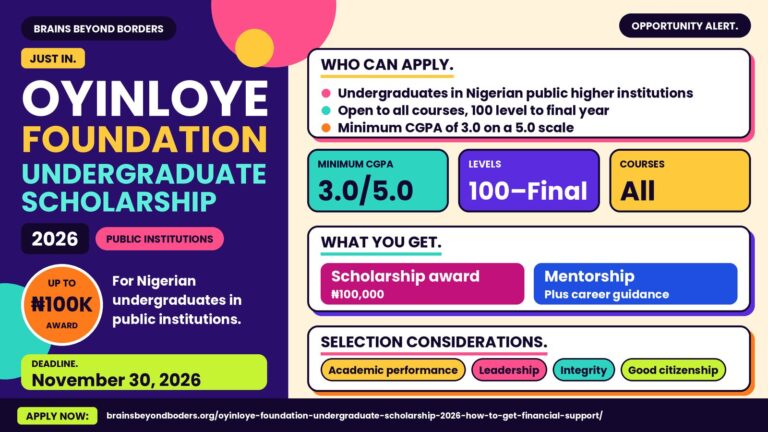 ScholarshipsOyinloye Foundation Undergraduate Scholarship 2026: How to Get ₦100,000 in Financial Support.Nov 21, 2026
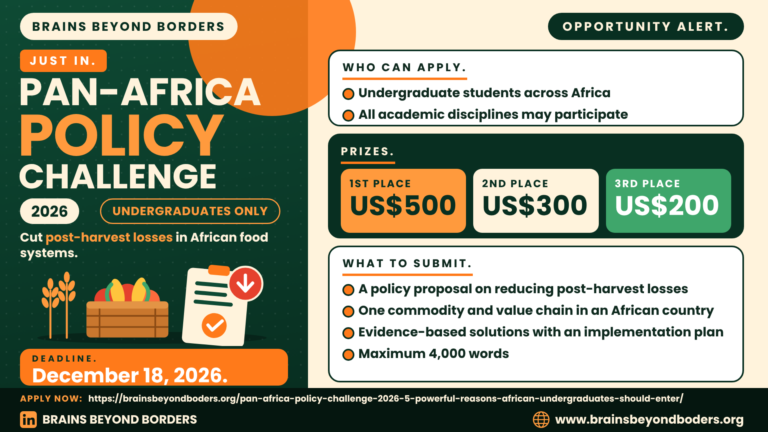 DuelsPan-Africa Policy Challenge 2026: 5 Powerful Reasons African Undergraduates Should Enter.Nov 21, 2026
 DuelsMonica ₦50 Million Creator Challenge 2026: The Guide for You to Apply and Win .Nov 20, 2026
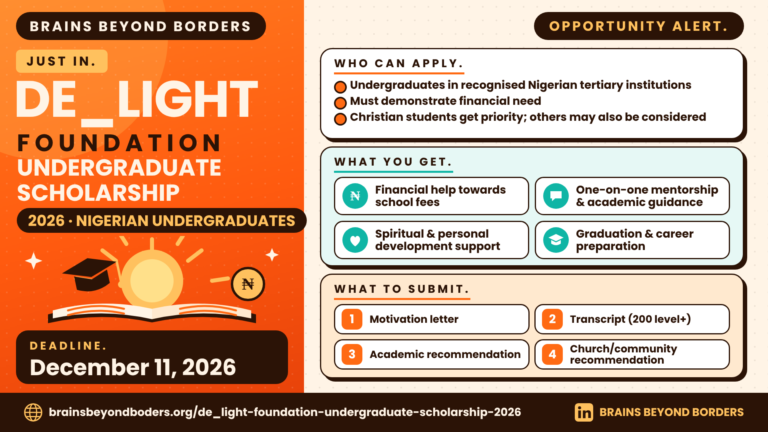 ScholarshipsDe_Light Foundation Undergraduate Scholarship 2026: Financial Support and Mentorship for Nigerian Students.Nov 18, 2026
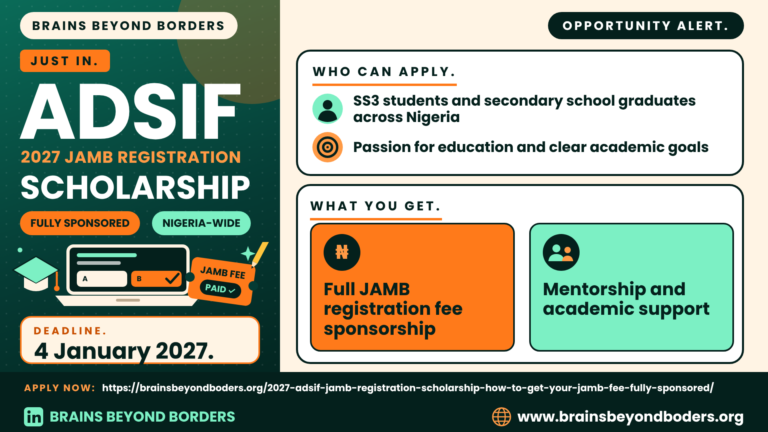 Scholarships2027 ADSIF JAMB Registration Scholarship: How to Get Your JAMB Fee Fully Sponsored.Nov 18, 2026
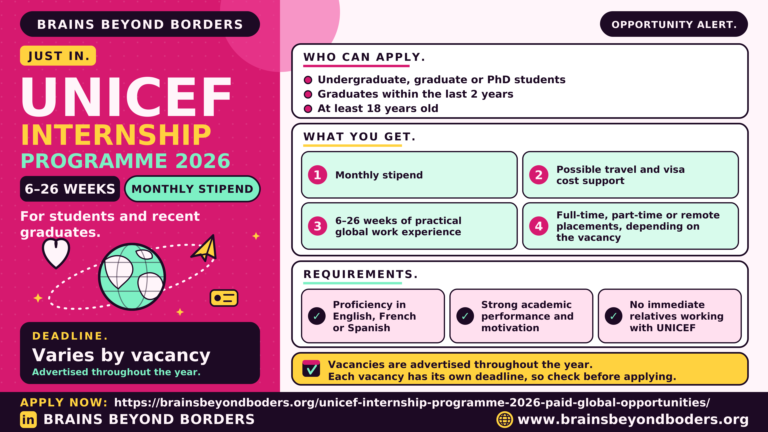 Research & Internships ( Fully Funded )UNICEF Internship Programme 2026: Paid Global Opportunities for Students and Recent Graduates.Nov 18, 2026
HOW TO APPLY
Applications are submitted through the online Google Forms application form provided for the fellowship.
- STEP 1: OPEN THE APPLICATION FORM
Access the application form through the direct link HERE.
- STEP 2: REVIEW THE QUESTIONS AND REQUIREMENTS
Read the form carefully before completing it.
Confirm that your professional or educational background fits the fellowship’s stated target audience and that you can meet the four-week attendance commitment.
- STEP 3: COMPLETE THE APPLICATION
Provide accurate information in the fields requested by the organisers. Where the form asks about your experience, interests or motivation, explain your genuine interest in energy, climate reporting, journalism or communications.
- STEP 4: CHECK FOR REQUIRED ATTACHMENTS
The publicly accessible programme description reviewed does not provide a confirmed list of compulsory supporting documents. Do not assume that a CV, academic transcript, writing sample, identification document or recommendation letter is mandatory unless the current application form specifically requests it.
If the form requires supporting materials, prepare them in the stated format and ensure that the files are accessible and correctly uploaded.
- STEP 5: SUBMIT YOUR APPLICATION
Review your entries for accuracy and completeness before submitting the form. Follow any confirmation instructions displayed after submission.
Keep a record of your submission in case you need to refer to it later.
APPLICATION DEADLINE
The current Cohort II listing gives the application deadline as: 18 OCTOBER, 2026.
Applicants should submit their forms before the stated deadline.
The exact closing time and time zone have not been independently confirmed in the accessible announcement. Applicants should check the application form for any deadline instructions and avoid waiting until the final hours.
ABOUT AFRICA ENERGY PULSE AND ANANSE COMMS LAB
Africa Energy Pulse is a media platform focused on reporting and analysis of developments in Africa’s energy sector. Its coverage includes areas such as oil and gas, renewable energy, electricity, energy finance, climate and sustainability, and energy policy.
The AfriEnergy Comms Lab is associated with Ananse Comms Lab, a knowledge initiative intended to strengthen the skills of people communicating about energy issues.The fellowship reflects the importance of accurate energy communication in a region where energy access, affordability, infrastructure, investment and climate policy have major economic and social implications.
For journalists and communications professionals, the ability to interpret technical information and explain its real-world significance is an increasingly valuable skill.
IMPORTANT NOTES FOR APPLICANTS
– The programme lasts four weeks and is delivered online.
– Participants are expected to attend two sessions each week.- The fellowship is described as unpaid.
– Publication opportunities are not guaranteed for every participant.
– The current listing gives 18 October 2026 as the application deadline.
– Check the live form for the exact supporting documents, selection criteria, session dates and any application fee.
– Do not assume that the fellowship provides a stipend or covers personal internet and equipment expenses.
– Submit accurate information and retain your confirmation of submission.
OFFICIAL APPLICATION LINKS
• Apply online HERE.
• Access The Programme information HERE.
• Application deadline: 18 October, 2026.
Interested applicants should review the application form promptly and confirm all requirements before submitting.
[bbp_banner]